 Reviews

 Proudly American
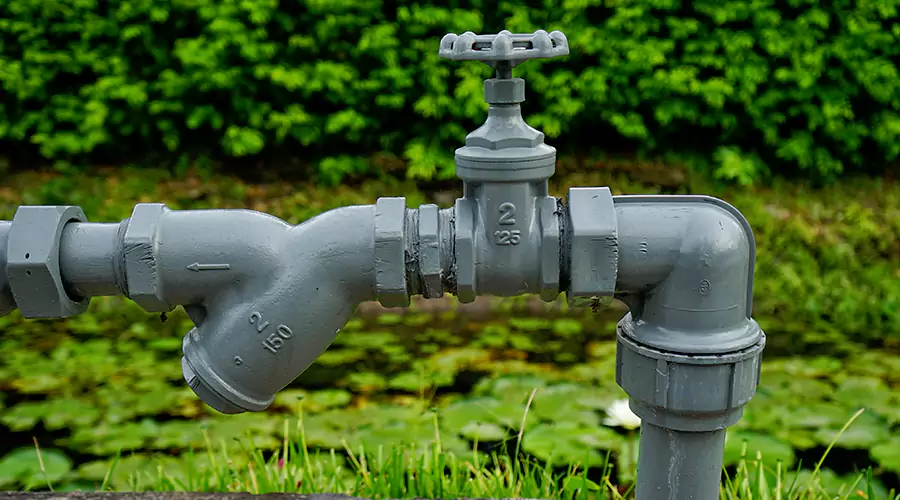
Backflow is a serious plumbing concern that can compromise the safety and quality of your home’s water supply. It occurs when water flows in the opposite direction of its intended path, potentially carrying harmful contaminants into clean water lines. For homeowners, understanding backflow and taking preventive measures is essential to ensure safe, potable water and protect family health.
This guide explains what backflow is, its causes, the risks it poses, and the preventive steps every homeowner should take to safeguard their plumbing system.
What Is Backflow?
Backflow happens when water reverses its normal flow direction in your plumbing system. This reversal can introduce contaminants into the clean water supply. Backflow occurs due to two primary mechanisms:
- Backpressure: When pressure within your home’s plumbing exceeds the pressure of the main water supply, water may be forced backward.
- Backsiphonage: Negative pressure in the water supply lines can draw contaminated water backward into the system.
Backflow is dangerous because it can carry bacteria, chemicals, fertilizers, or other contaminants into the potable water system, posing serious health risks if not properly managed.
Why Backflow Prevention Is Important?
Proper backflow prevention protects your home, plumbing system, and family in several ways:
- Prevents contamination of drinking water
- Reduces the risk of waterborne illnesses
- Protects plumbing fixtures and appliances from damage caused by contaminated water
- Ensures compliance with local plumbing codes and safety regulations
Ignoring backflow risks can result in unsafe drinking water, costly repairs, and potential fines for non-compliance with local regulations.
Common Causes of Backflow in Homes
Understanding what causes backflow can help homeowners take preventive measures:
Cross-Connections
Any connection between potable water and non-potable sources—such as irrigation systems, pools, chemical lines, or garden hoses—can create backflow risks if not properly protected.
Sudden Drops in Water Pressure
Events like water main breaks or heavy water demand in your neighborhood can cause negative pressure in supply lines. This backsiphonage can pull contaminants into your home’s clean water supply.
Improperly Installed Plumbing Fixtures
Faucets, valves, and hose connections that lack backflow prevention devices increase the risk. Incorrectly installed water pipe installations may compromise the safety of your plumbing system.
Malfunctioning Appliances
Boilers, water softeners, irrigation systems, or pressure tanks can create backpressure if they are not equipped with proper check valves or backflow devices.
Signs You May Have Backflow Issues
Homeowners should watch for the following indicators:
- Discolored or cloudy water
- Unusual tastes in drinking water, sometimes metallic or chemical
- Strong chlorine or chemical smells
- Low or fluctuating water pressure
- Frequent plumbing issues or leaks
- Contaminants detected during water testing
Recognizing these signs early allows for timely action to prevent contamination and maintain water safety.
Backflow Prevention Methods for Homeowners
Install Backflow Preventers
Devices such as check valves, double check valves, or air gaps prevent water from flowing backward into clean water lines. These are particularly important for irrigation systems, outdoor hose connections, and boilers.
Maintain Plumbing Fixtures Properly
Ensure faucets, valves, and appliances are installed correctly and in good working order. Inspect all copper, PVC, or PEX water pipe installations for leaks, corrosion, or improper connections that may compromise safety.
Test Backflow Prevention Devices Regularly
Annual testing by a licensed plumber ensures that backflow prevention devices function correctly and comply with local plumbing codes.
Avoid Cross-Connections
Keep potable water lines separate from non-potable sources. When cross-connections are unavoidable, install proper backflow devices to prevent contamination.
Schedule Professional Plumbing Inspections
Licensed plumbers can identify potential backflow risks, inspect water pipe installations for hidden hazards, and recommend preventive solutions to ensure system safety and efficiency.
Why Professional Plumbing Services Are Essential
Backflow prevention requires technical expertise and proper equipment. Licensed plumbers provide:
- Accurate installation and testing of backflow prevention devices
- Inspection of water pipe installations for cross-connections, leaks, or pressure issues
- Identification of hidden risks in irrigation systems, water heaters, and other plumbing appliances
- Maintenance and replacement of devices to ensure long-term protection and compliance
Professional services ensure that your home’s water remains safe, contamination-free, and fully compliant with local plumbing regulations.
Conclusion
Backflow is a serious plumbing risk that can compromise water quality, damage appliances, and endanger your family’s health. Common causes include cross-connections, sudden pressure changes, improper plumbing fixture installation, and malfunctioning appliances.
Homeowners can prevent backflow by installing backflow preventers, maintaining plumbing fixtures, avoiding cross-connections, and scheduling regular professional inspections. Proactive maintenance ensures your copper, PVC, or PEX water pipe installations remain safe, efficient, and free from contamination.
Invest in backflow prevention today to protect your home, maintain clean water, and safeguard your family from potential health hazards. Don’t wait until a backflow issue arises—take preventive action now to ensure safe, reliable water throughout your home.